What Great Talent Leaders Actually Do
Lessons from EP 197, EP 195, EP 183, and EP 178
The easiest way to misunderstand talent leadership is to reduce it to process.
Pipelines, systems, metrics, yes, those matter, but across these conversations, the strongest operators aren’t defined by how well they design systems. They’re defined by how they operate when things are unclear, messy, and moving fast.
Three patterns show up consistently.
LISTEN TO THE MENTIONED EPISODES BELOW
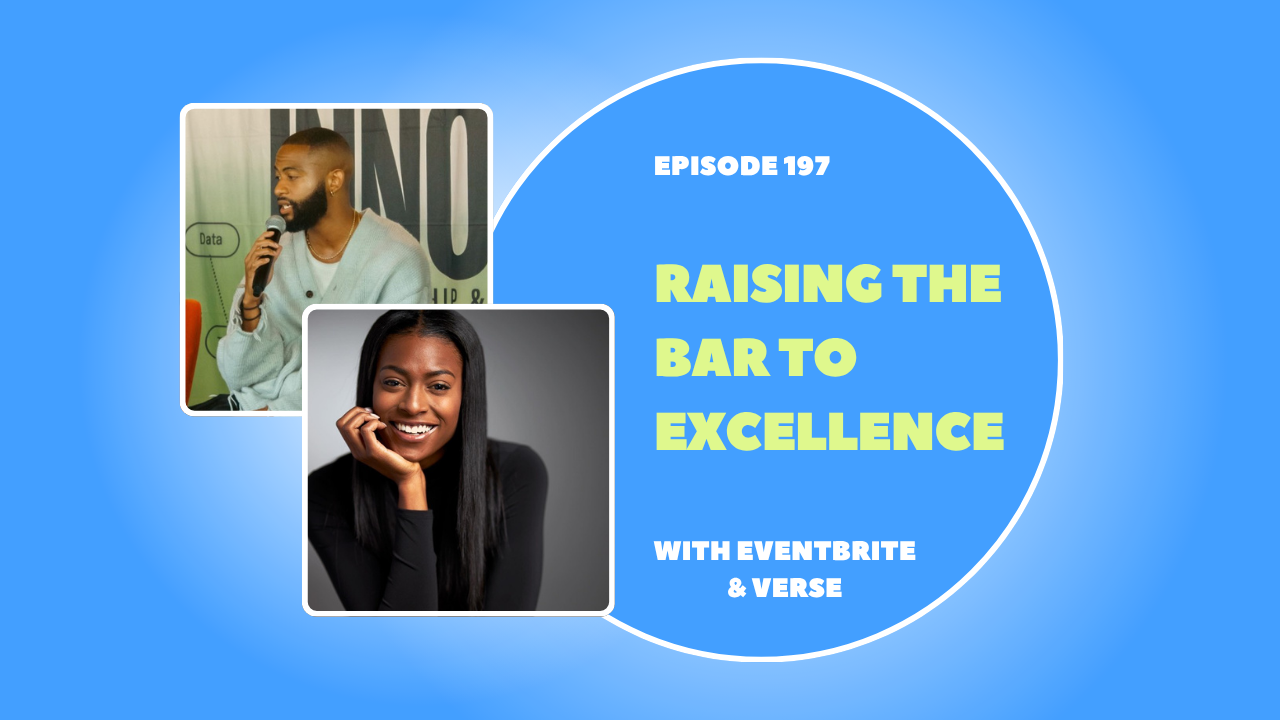

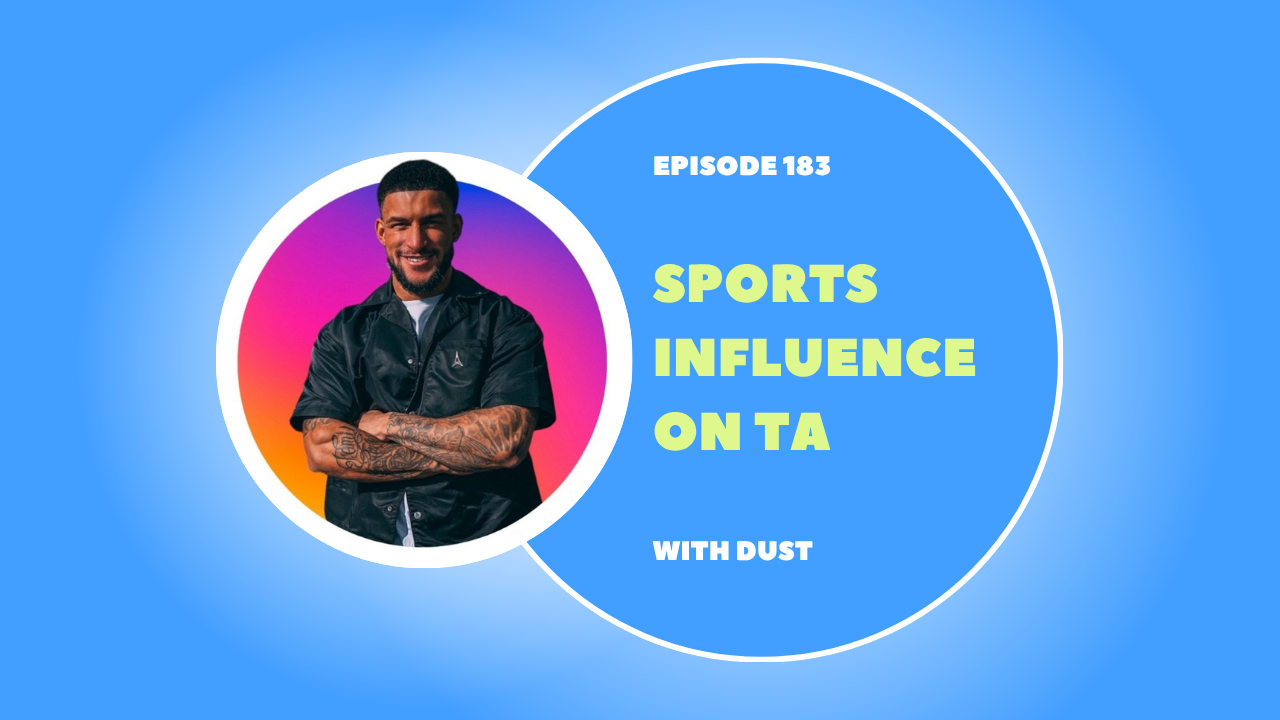
Execution Is About Moving Before You’re Ready, and Building Systems That Keep You Moving
Most hiring teams don’t fail because they lack strategy. They fail because they hesitate, overthink, or try to perfect the system before it’s under pressure.
In EP 197, Darien May makes that tradeoff explicit:
“Activity is king… I’ve never seen anyone who chases activity fail.”
Jasmin May sharpens the risk on the other side:
“A bar of excellence doesn’t mean… you’re not gonna fail sometimes. It’s what you do after that failure and how you move forward.”
The point isn’t speed for the sake of speed. It’s that execution compounds, while hesitation stalls everything.
But movement alone isn’t enough. Without structure, activity turns into wasted effort.
In EP 195, Shannan Farmer reframes what systems are actually for:
“The best thing you can do… is set a process… but you need to set a process and hold all the leaders to it.”
And more bluntly:
“I will actually kick people out of debriefs if they haven’t put their feedback in Ashby.”
This is where most teams get it wrong. They build systems, but they don’t enforce them. Or they wait too long to build them at all.
Execution at a high level is both:
Moving before you have perfect information
And putting just enough structure in place so that movement scales
If you want to hear what that tension actually feels like in practice, EP 197 and EP 195 go deeper into how operators balance speed with structure in real hiring environments.
The Best Talent Leaders Tell the Truth, Even When It Makes Hiring Harder
Most hiring processes are designed to close candidates.
The best ones are designed to filter for the right ones.
In EP 183, Reece Batchelor reduces this to a simple standard:
“I would just want them to tell me the truth and give me the honest answer.”
That principle shows up more aggressively in EP 195, where Shannan Farmer describes how she actively introduces friction into the process:
“You gotta throw some anti-selling things at them… it should scare them… and make them excited to come in and fix it because you want builders.”
This is counterintuitive. Most teams try to make roles sound easier, cleaner, more attractive.
But that creates misalignment. And misalignment is what actually breaks hiring outcomes later.
The same pattern shows up in how strong operators evaluate candidates. They’re not over-indexing on resumes:
“LinkedIns and resumes only tell like 25% of the story… you have to get on a call with people to get the other 75.”
The goal isn’t to sell. It’s to test:
How people respond to ambiguity
Whether they’re motivated by problems, not just outcomes
Whether they actually want the job as it exists
If you want to hear how leaders create that kind of alignment without losing candidates, EP 183 and EP 195 unpack how truth and tension improve, not hurt, hiring outcomes.
Trust Is Not Soft, It’s What Actually Drives Outcomes
There’s a tendency to treat “candidate experience” and “team culture” as secondary to execution.
Across these episodes, they’re not secondary; they’re what drives the story.
In EP 197, Darien May makes that explicit in how he thinks about candidates:
“You want to make those people feel seen, heard, and valued.”
That sounds simple. It isn’t.
Because the scale problem is real:
“I can post a job tomorrow and I’ll get 1,500 applicants… and you want to make those people feel seen.”
Most teams respond to that scale by automating and standardizing everything. The result is a worse experience and weaker signal.
But the downstream impact is measurable:
“I’ve seen people turn down X amount of dollars because of the treatment they receive through the interview process.”
And it compounds:
“Even if it doesn’t work out, they remember those conversations… and they’ll tell a friend.”
This is the part most hiring teams underestimate. Trust isn’t just a cultural value. It directly affects:
Acceptance rates
Brand reputation
Long-term pipeline strength
The best leaders don’t treat humanity as separate from performance. They use it to drive performance.
EP 197 goes much deeper into how that actually shows up in day-to-day recruiting, and why it’s often the deciding factor in competitive hiring markets.
Final ThoughtS
Across all four conversations, the pattern is consistent:
The best operators move before they’re fully ready
They build systems that remove friction, not add it
They tell the truth, even when it costs them in the short term
They treat trust as a core part of execution, not a side concern
These aren’t abstract ideas. They’re decisions that show up in how hiring actually gets done.
If you want to understand how those decisions play out in real environments, with real tradeoffs and pressure, it’s worth listening to the full conversations in EP 197, EP 195, EP 183, and EP 178.
That’s where the nuance actually lives.